Bricks That Speak: What Wall Patterns Reveal About a House
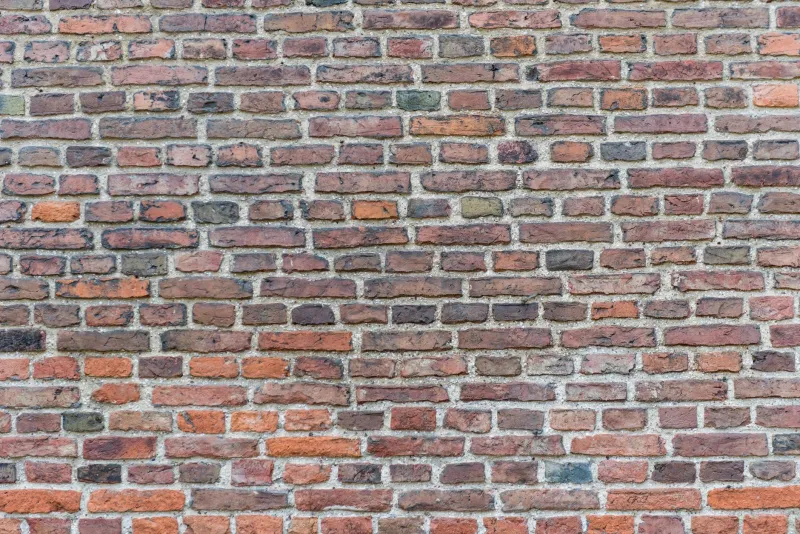
Most buyers look at a house and see walls. A surveyor looks at the same walls and sees a record of how the building was put together, and how it has changed since. Brick bond — the pattern in which bricks are laid — is one of the simplest clues to read, once you know what you are looking at. It will not tell you everything, and it should never replace a proper building survey, but it can help you spot where a wall deserves a closer look.
Why Brick Bond Matters at a Viewing
Brick bond is the arrangement of bricks in a wall. The pattern is created by the way stretchers — the long face of a brick — and headers — the short end — are alternated. Bond affects strength, appearance and, in older walls, the way the wall handles moisture and movement. It also leaves a visible signature. If a wall has been extended, repaired or opened up, the chances are that the brickwork will show it.
For a buyer, the value of this is practical. You do not need to become a bricklaying historian. You need to know when a pattern is ordinary, when a change is harmless, and when it is worth asking a surveyor to look more closely.
The Common Bonds in Plain English
Stretcher bond
This is the most familiar pattern in modern UK housing: all bricks laid lengthways, with each row offset by half a brick from the one below. It is common in cavity walls and later extensions. On its own, stretcher bond is rarely a concern. A sudden switch to stretcher bond in one section of an older wall, however, may suggest a later repair or extension.
English bond
English bond alternates a row of stretchers with a row of headers. It is strong and was widely used in older walls, particularly before the twentieth century. If you see English bond on the front of a period house and stretcher bond around the side, that is not necessarily a defect. It may simply reflect different phases of construction.
Flemish bond
Flemish bond alternates stretchers and headers within the same row. It was often used for appearance as much as strength, and it is common in Georgian and Victorian brickwork. A well-matched Flemish bond repair is a skilled job. Poorly matched brickwork can stand out, but the visual difference is not automatically a structural problem.
Header bond
Header bond uses headers across the face of the wall, often with a slight curve or variation in colour. It is less common and can be a sign of an older or deliberately decorative wall. Because header bond is unusual, changes in it are easier to spot — and easier to misinterpret. Context matters.
Herringbone bond
Herringbone is the zigzag pattern familiar from paving and, occasionally, brick walls and panels. In a house, it is more often a decorative feature than a primary structural wall pattern. If herringbone appears in a garden wall, a porch or an internal feature, it may be original design. If it appears in a patch of wall that otherwise follows a different bond, ask why.
What a Change in Bond Can Mean
A change in bond is not a diagnosis. It is a prompt. The most common explanations are ordinary ones: an extension, a former doorway or window that has been bricked up, a repair after movement, or a later alteration such as a new opening for a kitchen or a removed chimney breast.
Sometimes the change is visible because the new brickwork is slightly different in colour, texture or mortar joint. Sometimes it is visible because the bond itself changes. A patch of stretcher bond in an English bond wall may mark a former opening. A section of newer brickwork at low level may point to a repair following damp or subsidence. A straight vertical joint in the brickwork can suggest that two walls were built at different times, or that one wall has been tied into another.
None of these observations is conclusive on its own. A surveyor will consider the age of the house, the construction of the wall, the condition of the mortar, the presence of lintels, and whether there are signs of movement. Brick bond is one piece of evidence among many.
Harmless Quirks and Worth-a-Look Signals
Many changes in bond are aesthetically untidy but structurally unimportant. A later garden wall, a rebuilt chimney stack or a small patch repair may be perfectly sound. Matching old brickwork exactly is difficult, and a visual mismatch is not the same as a defect.
The time to look closer is when a change in bond coincides with other warning signs: diagonal cracking, stepped cracking following the mortar joints, bowing, a sagging lintel, damp staining, or a long vertical joint that appears to separate two parts of the building. A change in bond at a former opening is common; a change in bond combined with movement above that opening deserves investigation.
It is also worth being cautious about cosmetic cover-ups. Render, paint or cladding can hide brickwork altogether. If a wall has been re-rendered or painted, the bond may no longer be visible. That is not suspicious in itself, but it limits what a visual inspection can tell you.
Questions to Ask Before You Exchange
The point of reading brick bond is not to turn a viewing into a treasure hunt. It is to ask better questions. If you notice a change in pattern, ask the seller or agent whether they know of any extensions, repairs or alterations. Check the property information form and any planning or building regulations records. Ask your surveyor to comment on the area specifically, and provide photographs if you can.
A useful question is not ‘Is this pattern wrong?’ but ‘What happened here, and is there any evidence of movement or poor detailing?’ That keeps the conversation grounded. At Herring Surveyors, we would rather a buyer arrives at a survey with a few focused observations than a list of fears based on a single patch of brickwork.
The Surveyor’s View
Brick bond is a small but useful part of a wider picture. It can reveal the sequence of construction, flag later work and help explain why one wall looks different from another. It cannot tell you whether a wall is structurally sound, whether a repair was properly tied in, or whether a former opening has been adequately supported. Those are matters for a surveyor with the whole building in view.
Used sensibly, though, it gives buyers a way to look more carefully and ask more precise questions. A wall is rarely just a wall. It is a record of decisions, and the pattern is often where the record begins.