Herring Surveyors Plain-English property surveys you can trust

Herring Surveyors

Plain-English property surveys you can trust

Latest Articles

The Glass Room Question: What a Conservatory Adds — and What It Conceals
Homebuyer Guides

The Glass Room Question: What a Conservatory Adds — and What It Conceals

A conservatory is often presented as effortless extra living space, but surveyors tend to see a hybrid structure with its own foundations, drainage, glazing and paperwork. This guide explains what a UK buyer should check before treating one as an asset rather than a future repair bill.

The Room Without a Floor: Reading a Loft Survey Before You Exchange
Homebuyer Guides

The Room Without a Floor: Reading a Loft Survey Before You Exchange

The loft is often treated as storage space, yet it contains some of the most consequential parts of a house. This guide explains what a surveyor can reasonably see through a hatch, why access caveats matter, and how buyers should act on loft findings before exchange.

Half a House, Whole Set of Questions: Surveying a Semi-Detached Home Before Exchange
Homebuyer Guides

Half a House, Whole Set of Questions: Surveying a Semi-Detached Home Before Exchange

A semi-detached house is not simply a detached house with a neighbour attached. Shared walls, roofs and drainage can create risks that sit outside the boundary of the property you are buying, and the survey report needs to be read with that in mind.

The Boundary Weed: Assessing Japanese Knotweed Risk Before Exchange
Homebuyer Guides

The Boundary Weed: Assessing Japanese Knotweed Risk Before Exchange

Japanese knotweed can alarm buyers, lenders and sellers in equal measure, but a survey is only one part of the evidence. This guide explains what a visual inspection can reasonably establish, how neighbouring infestations are treated in 2026, and the questions to settle before exchange.

From Manhole to Main: A Buyer’s Guide to Drainage Before Exchange
Homebuyer Guides

From Manhole to Main: A Buyer’s Guide to Drainage Before Exchange

A CCTV drain survey is often treated as an afterthought, commissioned only when a problem announces itself. For buyers, the more useful question is whether the drains should be inspected alongside the building survey — and how to read the findings without mistaking ordinary wear for a reason to walk away.

Bricks That Speak: What Wall Patterns Reveal About a House
Homebuyer Guides

Bricks That Speak: What Wall Patterns Reveal About a House

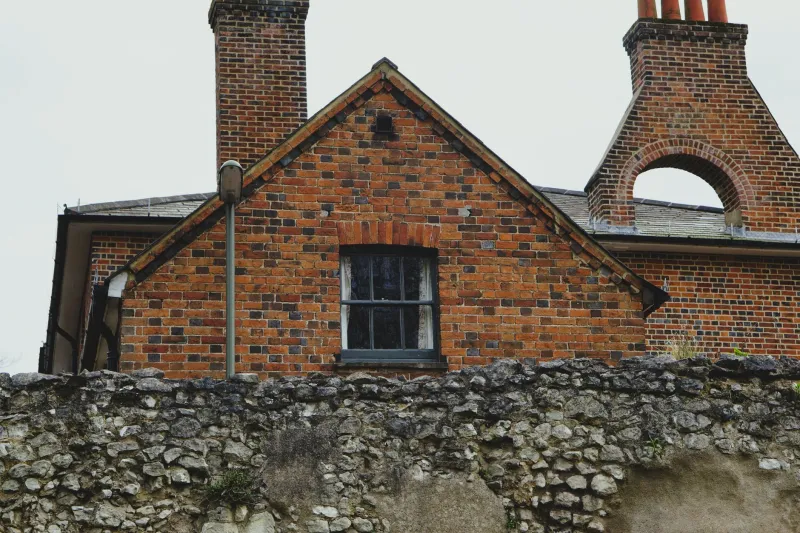
Brick bond patterns are more than a decorative detail. To a surveyor, a change in bond can hint at an extension, a former opening, a repair or a later alteration — and help a buyer ask sharper questions before exchange.

The Air in the Room: A Buyer’s Guide to Interpreting Odours in a UK Home
Homebuyer Guides

The Air in the Room: A Buyer’s Guide to Interpreting Odours in a UK Home

Odours are often the first evidence of a defect a buyer encounters, yet they are also the easiest to dismiss. This guide explains how surveyors separate cosmetic smells from diagnostic ones, when a whiff deserves urgent action, and how to record odour observations before exchange.

Fences, Deeds and Disagreements: A Buyer’s Boundary Audit Before Exchange
Homebuyer Guides

Fences, Deeds and Disagreements: A Buyer’s Boundary Audit Before Exchange

A title plan and a garden fence rarely tell exactly the same story. This guide explains how surveyors read physical boundaries, what a building survey can and cannot confirm, and the practical checks a buyer should make before exchange in 2026.

The Weight Above the Fireplace: Surveying a Chimney Breast Before Removal
Homebuyer Guides

The Weight Above the Fireplace: Surveying a Chimney Breast Before Removal

A chimney breast is often treated as a cosmetic feature, yet it can be part of a building’s structural story. This guide explains what a surveyor can flag around flues, damp and cracking, why a standard survey cannot approve removal, and when an engineer, party wall award and Building Regulations approval become essential.

Brick, Beam and Birthday: Using a Home’s Era to Ask Better Survey Questions
Homebuyer Guides

Brick, Beam and Birthday: Using a Home’s Era to Ask Better Survey Questions

A property’s construction date can point a buyer towards the right questions about walls, roofs, timbers and services. It cannot, however, tell you what condition those elements are in today. This guide explains how to use a home’s era as context for a survey, not as a substitute for one.

Garden Rooms, Converted Garages and the Paper Trail: A 2026 Pre-Exchange Guide
Homebuyer Guides

Garden Rooms, Converted Garages and the Paper Trail: A 2026 Pre-Exchange Guide

Outbuildings can add useful space and value, but missing planning or building regulations evidence can turn a selling point into a negotiation. This guide explains what surveyors can assess, what paperwork buyers should request, and how to price the uncertainty when records are thin.

The Noise and the Signal: Telling a Real Defect from a Survey Alarm
Homebuyer Guides

The Noise and the Signal: Telling a Real Defect from a Survey Alarm

Survey reports are written to be read carefully, not skimmed for alarming words. This guide explains why a damp reading, a hairline crack, a roof stain or an old timber treatment can look worse than it is — and how to find the finding that genuinely deserves your money.

Where the Wall Meets the World: Reading the Ground Within a Metre of the House
Property Maintenance

Where the Wall Meets the World: Reading the Ground Within a Metre of the House

Surveyors often devote more attention to the strip of ground immediately around a house than buyers expect. Raised paving, poor falls and blocked airbricks are not cosmetic matters; they are early warnings of damp, movement and drainage trouble inside the building.

The Snag List Is Not the Whole House: Surveying a 2026 New-Build Before the Warranty Clock Starts
Homebuyer Guides

The Snag List Is Not the Whole House: Surveying a 2026 New-Build Before the Warranty Clock Starts

Snagging lists capture visible imperfections; they do not test the things that keep a new home weathertight, drained and safe. This article explains what an independent surveyor examines in a recently completed 2026 home, how warranty and building safety rules affect buyers, and why a survey before exchange remains a sensible check.

Reading the Alarm Bell: Six Common Survey Findings in Proportion
Property Maintenance

Reading the Alarm Bell: Six Common Survey Findings in Proportion

Survey reports are written to be precise, not dramatic, but words such as woodworm, damp and movement can stop a buyer in their tracks. This guide explains six common findings that often look more serious than they are, how surveyors grade them, and when they genuinely warrant a specialist's attention.

Reading Between the Caveats: A Buyer’s Guide to ‘Further Investigation Advised’
Homebuyer Guides

Reading Between the Caveats: A Buyer’s Guide to ‘Further Investigation Advised’

The phrase ‘further investigation advised’ is one of the most misunderstood lines in a UK survey report. This guide explains why surveyors use it, which caveats are routine, which deserve a pause, and how buyers can commission the right follow-up without panicking or overspending.

From Report to Repair Plan: Budgeting the First Five Years After a Building Survey
Property Maintenance

From Report to Repair Plan: Budgeting the First Five Years After a Building Survey

A building survey is not a repair quote. It is a risk map. This guide shows UK homeowners how to turn survey findings into a realistic five-year maintenance budget, separating urgent safety work from cosmetic niggles and long-term wear.

Heritage Blind Spots: Why a Standard Survey Cannot Clear a Listed Building
Market Insight

Heritage Blind Spots: Why a Standard Survey Cannot Clear a Listed Building

A standard home survey can describe the condition of a listed building, but it cannot confirm that historic fabric, alterations or consents are in order. This explainer sets out the limits of ordinary inspections and the specialist steps buyers should take before committing.

The Quiet House: What Surveyors Look For After Months of Emptiness
Homebuyer Guides

The Quiet House: What Surveyors Look For After Months of Emptiness

A long-vacant home can look merely unloved while hiding damp, failed services and roof neglect. This guide explains what a surveyor examines differently in an empty property and how buyers can distinguish harmless staleness from genuine decay.

What 'Monitor' Actually Means: A Buyer's Glossary of the Careful Language in Survey Reports
Market Insight

What 'Monitor' Actually Means: A Buyer's Glossary of the Careful Language in Survey Reports

Survey reports are written for the buyer, the lender and a potential insurance claim at the same time, which is why the language is hedged rather than dramatic. This glossary translates the standard phrases — monitor, further investigation, not tested, assumed, concealed — and shows how each one should shape both your questions and your negotiation.