Heritage Blind Spots: Why a Standard Survey Cannot Clear a Listed Building
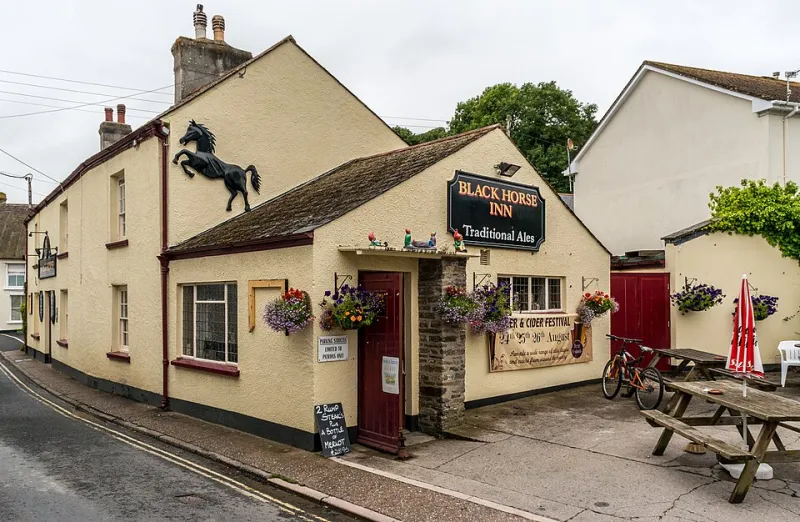
Photo: Mike Kirby, CC BY-SA 2.0, via Wikimedia Commons
A listed building is not simply an old house with a legal label. It is a heritage asset in which the fabric, layout and detailing may carry statutory protection. That distinction matters at the point of purchase, because the survey most buyers commission for a conventional home is not designed to answer the questions that a listed building raises. A standard survey can tell you that a roof is sagging or a wall is damp. It cannot tell you whether the oak frame is historically significant, whether a partition was inserted without consent, or whether the local authority would require reinstatement of a feature removed decades ago.
What a standard survey actually does
A standard home survey — whether a condition-focused report or a more detailed building survey — assesses visible condition and identifies defects, risks and matters requiring further investigation. It is a generalist inspection. The surveyor will look at structure, damp, timber, roofing, drainage and services where accessible, and will comment on the property’s general repair. That is valuable. It helps a buyer understand immediate liabilities and negotiate accordingly.
But a standard survey is not a heritage assessment. It does not normally include a detailed analysis of historic fabric, architectural significance or the planning history of alterations. It is not a listed building consent audit. It is not a specification for repair. And it is not a substitute for advice from the local authority or a conservation specialist.
The listed building dimension
Listing protects a building of special architectural or historic interest. It is not a museum label, and it does not prevent all change. But works that affect the character of a listed building as a building of special interest usually require listed building consent. That can include alterations that seem minor: replacing windows, removing internal doors, inserting a flue, changing external render, or altering historic fireplaces. In a conservation area, additional controls may apply to demolition, trees and certain external works, and Article 4 directions can remove permitted development rights.
The consequence for buyers is that condition and consent are separate questions. A house can be structurally sound and still carry a serious consent problem. Conversely, a building with obvious repair needs may have a clean consent history. A standard survey may note that windows appear modern or that a wall has been removed, but it will not ordinarily establish whether those works were authorised.
What ordinary surveyors can and cannot assess
A competent general surveyor can identify visible defects, movement, damp, roof condition, rainwater goods, timber decay and other physical symptoms. They can flag where historic fabric appears to have been altered, where materials are inappropriate, or where further investigation is needed. In many cases, that is enough to prompt the right specialist advice.
What they cannot do is provide a definitive view on heritage significance or consent. They are unlikely to have inspected local authority planning records, the list entry, conservation area appraisal or enforcement history. They will not normally advise on the acceptability of repairs to historic fabric or on the likely approach of a conservation officer. Those are specialist matters, and a surveyor who is not trained in building conservation should say so rather than imply assurance.
Why specialist heritage knowledge matters
Historic buildings fail in different ways from modern ones. Traditional materials such as lime mortar, stone, timber and soft brick behave differently from cement, gypsum and modern sealants. Repairs that would be appropriate in a Victorian terrace may be harmful in a medieval timber-framed building. A specialist can distinguish between natural ageing, historic alteration and recent damage, and can advise on repair philosophy rather than simply listing defects.
That knowledge also affects value and marketability. A listed building with unauthorised works may be difficult to sell, costly to regularise or exposed to enforcement action. A buyer who inherits such a problem may find that mortgage lenders, insurers and solicitors raise questions that a standard survey never addressed. In 2026, with lenders increasingly attentive to property risk, that distinction is commercially important as well as legally significant.
Practical next steps before exchange
Start with the listing entry and the local authority’s planning records. Ask the seller for evidence of any listed building consent, planning permission and building regulations approval for alterations. Check the conservation area appraisal if one applies. Instruct a solicitor who is familiar with heritage property and ask specifically about enforcement notices, listed building consent and any conditions attached to previous permissions.
Commission a specialist inspection where the building is complex, has been altered, or shows evidence of unauthorised work. A surveyor accredited in building conservation, a conservation architect or a structural engineer with historic building experience can provide the targeted advice a standard survey cannot. Ask them to comment on significance, condition, repair approach and any obvious consent issues. They will not replace legal advice, but they will give you a clearer picture of what you are buying.
Finally, treat the survey as a starting point rather than a clearance certificate. A listed building can be a rewarding purchase, but it demands a different level of enquiry. The standard survey tells you about condition. The heritage work tells you about significance and consent. A buyer who understands both is far better placed to avoid inheriting someone else’s costly mistake.