Reading Between the Caveats: A Buyer’s Guide to ‘Further Investigation Advised’
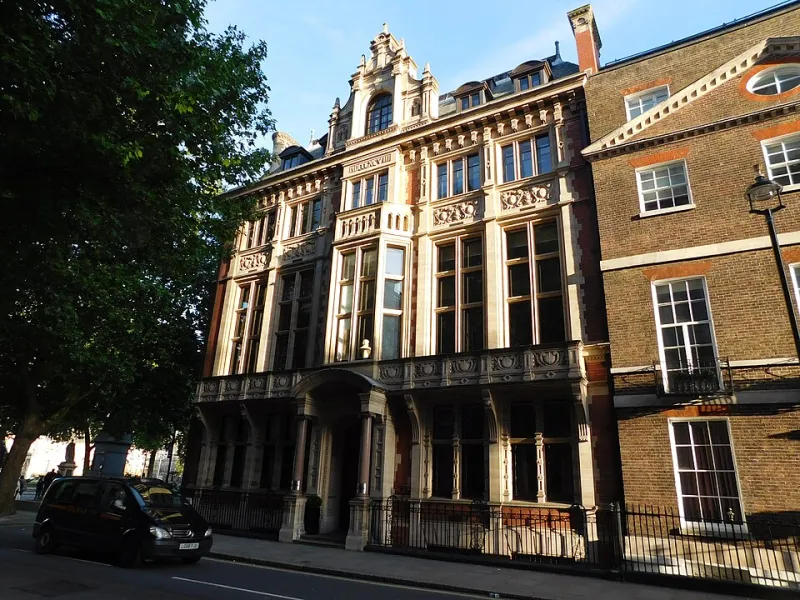
Photo: Paul the Archivist, CC BY-SA 4.0, via Wikimedia Commons
Few lines in a survey report cause more anxiety than the phrase ‘further investigation advised’. It appears next to a roof, a wall, a drain or an electrical installation, and suddenly a manageable purchase feels like a liability. In practice, the phrase is neither a diagnosis nor a red flag. It is a signpost. It tells you that the surveyor has seen something that deserves a closer look, or that the limits of a visual inspection mean a specialist must take over. Understanding why surveyors write it, and how to act on it, is one of the most useful skills a buyer can develop in 2026.
Why surveyors qualify advice
A building survey is a visual inspection. The surveyor can see surfaces, test some fittings and assess how a building is performing, but cannot open up walls, lift floors, dig up drains or dismantle heating systems. They also cannot give definitive opinions on matters that require a specialist’s training, equipment or professional indemnity. When the evidence is incomplete, a responsible surveyor says so plainly. That is not hedging. It is professional caution.
The phrase also reflects the surveyor’s duty of care. If a report said a roof was sound when only a handful of tiles had been seen from ground level, the surveyor would be overstating their knowledge. If it said a damp patch was definitely rising damp when it could be condensation or a leaking pipe, the buyer might commission the wrong repair. ‘Further investigation advised’ preserves the distinction between what has been observed and what has been concluded. Read it as a prompt, not a verdict.
The caveats that usually belong in the routine column
Many caveats are standard features of a visual survey and appear in reports on perfectly sound homes. They include drainage that has not been CCTV-surveyed, electrical installations that have not been tested, chimneys and flues that have not been swept or smoke-tested, boilers that have not been fired up, and roof coverings inspected from ground level or through a window. These are not necessarily problems. They are limits.
Other routine qualifications include damp meter readings that may be affected by surface moisture, garden walls and outbuildings that fall outside the main inspection, and areas that are inaccessible because of stored goods or fixed coverings. A good report should explain these limitations clearly. If it does, the phrase is doing its job. The buyer should note the caveat, decide whether the risk matters to them, and move on if the answer is no.
The caveats that should make you pause
Some qualifications carry more weight. A surveyor who reports structural movement, significant cracking, a roof structure that appears to be sagging, a drain that is visibly damaged, or damp that is widespread and unexplained is not simply covering their position. They are flagging a risk that could affect safety, cost or mortgageability. The same applies to suspected asbestos, unsafe electrical arrangements, non-traditional construction, or a property that has been altered without evidence of building regulations approval.
Pause does not mean withdraw. It means gather information before you commit. The key is to distinguish between a caveat that says ‘we could not check this’ and one that says ‘we checked what we could and found something concerning’. The first is often routine. The second deserves a specialist’s opinion before exchange.
Ask a better question
Buyers often ring their surveyor and ask, ‘Is it serious?’ That question invites a yes or no when the honest answer is usually ‘it depends’. A better question is: ‘What did you see, and what would a specialist need to do to confirm the cause?’ Ask how urgent the issue is, what the worst realistic outcome would be, and whether the surveyor would proceed if they were buying the property. Ask for a short call rather than a long email; tone and emphasis matter. Then ask the surveyor to confirm the main points in writing so you can share them with a specialist or your solicitor.
A 2026 decision path for buyers
-
Read the whole report, not just the summary. List every item marked ‘further investigation advised’ and note whether it relates to safety, water, structure, services or cosmetics.
-
Sort the list into three groups: routine limitations, specialist follow-ups and urgent safety matters. Do not treat all three as equal.
-
Speak to the surveyor. Ask which items they would prioritise and which can reasonably wait until after completion.
-
Obtain fee quotes for the relevant specialists. As a broad indication, a drain CCTV survey might cost £250 to £500, a structural engineer’s report £500 to £1,000, a damp and timber survey £300 to £600, and an electrical condition report £150 to £350. Prices vary by region and property type, so ask for a fixed fee before instructing.
-
Budget for the reports before you commission them. If three specialists are needed, the total may be several hundred pounds or more. That cost is usually small compared with the repair it might reveal, but it should still be planned.
-
Use the findings in negotiation. A confirmed defect is evidence. An unconfirmed caveat is not. Do not ask for a price reduction until you know what the work involves.
-
Keep the specialist reports with the survey. They will be useful when you instruct contractors, apply for insurance or sell the property.
Budgeting without overpaying
The temptation is to commission every specialist report mentioned in the survey. That is rarely necessary. A surveyor’s caveats are not a shopping list; they are a risk assessment. Ask which items could affect the property’s safety, structural integrity or mortgageability, and which are simply beyond the scope of a visual inspection. Spend your money where the answer could change your decision.
A good survey should leave you better informed, not more frightened. ‘Further investigation advised’ is a signal that the surveyor has been honest about the limits of their inspection. Used properly, it helps you ask the right questions, instruct the right people and negotiate from evidence rather than guesswork.