Three Damp Problems, One Word: How Surveyors Tell Condensation, Penetration and Rising Damp Apart
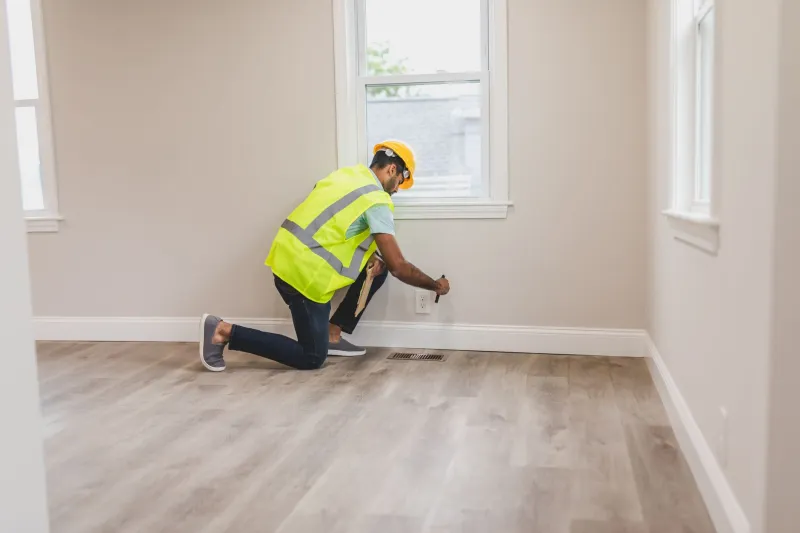
Few words in a survey report cause more anxiety than damp. It arrives without context, usually attached to a photograph of a discoloured skirting, and it has a habit of sounding like a diagnosis when it is really only an observation. The purpose of this guide is to slow that moment down. Damp is a symptom. What matters is which of three quite separate mechanisms is producing it, because the remedies differ enormously in cost, disruption and urgency.
Why the label matters more than the word
A household with poor ventilation and a bathroom extractor venting into a loft can produce condensation that mimics a structural problem. A failed gutter two metres away can produce a patch that looks identical from inside the room. A genuine failure of a damp-proof course will produce yet another patch that looks much the same. From the armchair they are indistinguishable; from the outside, with a moisture meter, a ladder and a set of readings taken at different heights, they are usually not.
That distinction is the whole job. Condensation is often a ventilation and lifestyle question. Penetrating damp is a building fabric question. Rising damp is a ground-floor and damp-proof-course question, and a comparatively rare one. Treating the wrong one is how households end up paying for injection work that never addresses the moisture actually entering the building.
Rising damp: the diagnosis everyone reaches for
True rising damp exists, but it is diagnosed far more often than it occurs. For a surveyor to accept it, several things normally need to line up. The damp-proof course must be absent, of the wrong type, or bridged — by raised external ground levels, by a later patio, by render that carries moisture across the course, or by a solid floor abutting the wall. Moisture readings should fall as you move up the wall rather than sitting uniformly high. Plaster often contains elevated chlorides and nitrates, salts drawn up from the ground, and it is the hygroscopic plaster rather than the masonry that keeps pulling moisture from the air long after the source is dealt with.
A tide mark around a metre above floor level is the classic visual, though classic is not the same as reliable. A single meter reading proves very little on its own: conductivity meters respond to salts, to certain plasters, to foil-backed wallpaper and to damp that arrived from above. Where a damp-proofing quotation is offered at the viewing, or arrives unprompted within a week of the survey, a second opinion from someone who does not sell the remedy is usually money well spent.
Penetrating damp: reading the building from outside in
Penetrating damp is water getting in through the envelope. It tends to be localised, it tends to sit on the elevation that takes the prevailing weather, and it tends to get worse after sustained rain rather than appearing steadily all winter. The clues are external as much as internal: leaking or misaligned gutters, cracked downpipes, failed pointing, blown render, cracked or porous stonework, perished mastic around window frames, defective flashing at a chimney, a cracked roof tile above a bedroom ceiling.
Internally, look for horizontal banding, staining that spreads outwards from a window reveal, patches under a roof valley, or a damp zone that maps neatly onto a defect visible outside. Cavity wall insulation, installed with the best of intentions, can also bridge a cavity and carry water across to the inner leaf — a pattern that has become more common as the retrofit programme has widened.
Condensation: usually about living, not building
Condensation is the most common cause of mould in UK homes and the most frequently mis-sold. Everyday activity — showers, cooking, laundry dried indoors, four people breathing — puts litres of water vapour into the air each day. Where that air meets a cold surface, it condenses. The evidence is characteristic: black mould spotting on external walls, in corners, behind furniture, inside wardrobes, around window reveals, on ceilings in upstairs rooms with limited insulation. There is rarely a tide mark or salt banding. It is worse in cold weather and worse in homes that have been sealed up — new windows, draught-proofing, added insulation — without matching improvements to ventilation.
This is not a defect in the building, but it is not nothing either. Persistent condensation damages plaster, rots timber and creates an indoor environment that no buyer should accept as normal. It is also the cheapest of the three to fix, provided it is correctly identified.
The evidence that carries real weight
Surveyors who take damp seriously tend to work from patterns rather than single readings: the location and shape of the affected area, the moisture profile at different heights, whether salts were tested, the external detailing and ground levels at each wall, ventilation provision and occupancy, and how the pattern relates to weather and season. Empty or unheated properties can read damp simply because they are cold and closed up, which is why returning to a property on a wet day, or taking readings twice across a season, often clarifies more than any instrument.
When 'monitor' is enough, and when it is not
Monitoring is reasonable advice where the area is small, stable, well explained and in a room that will be redecorated anyway. It is not reasonable advice for black mould across a child's bedroom, active wet rot at a joist end, or salt-banded plaster running the length of an external wall. In those cases, ask for a specialist report from someone who specifies rather than sells.
Four questions are worth putting to any damp specialist before you commission anything: who pays you and do you sell the treatment; where exactly were the readings taken and with what instrument; was the plaster tested for salts; and what would change your mind. A good specialist answers all four without flinching.
Damp is manageable. Not knowing which damp you have is what gets expensive.