Herring Surveyors Plain-English property surveys you can trust

Herring Surveyors

Plain-English property surveys you can trust

Latest Articles

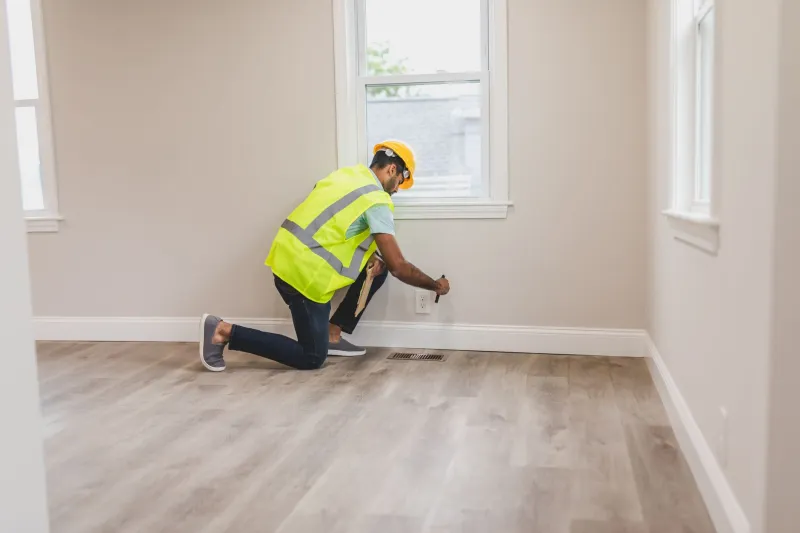
The Quiet House: What Surveyors Look For After Months of Emptiness
Homebuyer Guides

The Quiet House: What Surveyors Look For After Months of Emptiness

A long-vacant home can look merely unloved while hiding damp, failed services and roof neglect. This guide explains what a surveyor examines differently in an empty property and how buyers can distinguish harmless staleness from genuine decay.

Three Damp Problems, One Word: How Surveyors Tell Condensation, Penetration and Rising Damp Apart
Homebuyer Guides

Three Damp Problems, One Word: How Surveyors Tell Condensation, Penetration and Rising Damp Apart

Damp is a symptom, not a diagnosis, and the difference between a £40 extractor fan and a four-figure remedial scheme usually comes down to correctly identifying which of three mechanisms is at work. This field guide sets out the evidence surveyors actually weigh, the claims that deserve scepticism, and how to read a damp reference without panicking.

What 'Monitor' Actually Means: A Buyer's Glossary of the Careful Language in Survey Reports
Market Insight

What 'Monitor' Actually Means: A Buyer's Glossary of the Careful Language in Survey Reports

Survey reports are written for the buyer, the lender and a potential insurance claim at the same time, which is why the language is hedged rather than dramatic. This glossary translates the standard phrases — monitor, further investigation, not tested, assumed, concealed — and shows how each one should shape both your questions and your negotiation.

Beyond the Green Glow: Surveying a Retrofitted Home in 2026
Market Insight

Beyond the Green Glow: Surveying a Retrofitted Home in 2026

Solar panels, heat pumps and insulation are now mainstream selling points, but they change how a home should be surveyed. This article explains what buyers should verify in 2026, where retrofit work can conceal defects, and why an energy assessment is not a substitute for a building survey.

Old Cracks, New Fears: How Buyers Should Read Movement in a Wall
Homebuyer Guides

Old Cracks, New Fears: How Buyers Should Read Movement in a Wall

A crack in a wall can be old, harmless and entirely expected, or it can be the first visible sign of active movement. This guide explains how surveyors separate historic settlement, thermal movement, subsidence and shrinkage, what monitoring involves, and when a buyer should ask for urgent specialist advice.

The Photographic Walkaround That Sharpens Every Survey Conversation
Homebuyer Guides

The Photographic Walkaround That Sharpens Every Survey Conversation

A short, safe walkaround before you instruct a surveyor can turn a vague brief into a focused one. Here is exactly what to photograph, how to record it plainly, and which observations are worth mentioning without attempting to diagnose them yourself.

Material Information Is Improving — But It Is Still Not a Survey
Market Insight

Material Information Is Improving — But It Is Still Not a Survey

Listings in 2026 are more structured than they once were, and that is welcome. But better material information does not inspect the fabric of a building, test services, or reveal concealed defects. Buyers still need to understand the gap between disclosure and investigation.